Building Sustainability Together: The Power of Community Participation
Sustainability is often discussed through climate targets, renewable energy, circular economy, biodiversity and new technologies. These are all important parts of building a more sustainable society. However, there is another part that is just as important: the role of people and communities in shaping that change.
Environmental decisions eventually affect everyday life. Transport policies influence how people move around cities and neighbourhoods. Energy decisions affect homes and household costs. Circular economy initiatives influence how products are bought, repaired, reused and thrown away. Food systems, land use and local development also shape the places where people live and work. Sustainability is therefore not only a technical or environmental issue. It is also a social process that involves people, organisations and communities.
Individual action is often at the centre of sustainability discussions. People are encouraged to recycle, save energy, use sustainable transport and consume more responsibly. These actions matter, but people do not make these choices in isolation. Cycling is easier when safe routes are available. Repairing products is more practical when repair services are accessible and affordable. Sustainable food choices depend on price and availability, while household energy choices are influenced by housing, technology and the wider energy system. This means that sustainability is not only about asking people to change their behaviour. It is also about creating conditions that make sustainable choices easier and more realistic.
Why community participation matters
This is where community participation becomes important. Policies and technologies may provide direction, but communities help show how changes work in real life. People living in a place often understand local needs, challenges and opportunities in ways that may not be visible through reports or statistics alone. Their experience can help identify practical problems, improve local solutions and make sustainability plans more realistic.
Participation can also build trust and a stronger sense of ownership. People are often more willing to support changes when they understand why those changes are needed and feel that their views have been considered. Community groups can also bring attention to people whose voices are sometimes missing from formal discussions. When residents, local organisations, businesses, researchers and public authorities bring their different perspectives together, sustainability initiatives can become better connected to local needs and everyday realities.
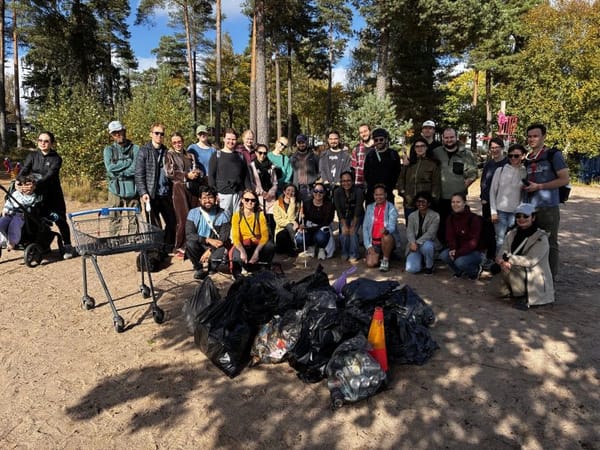
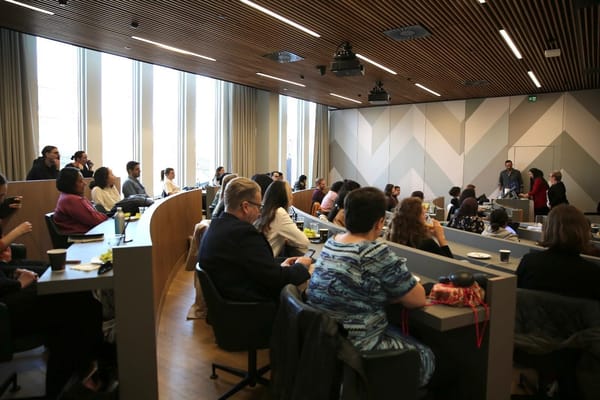
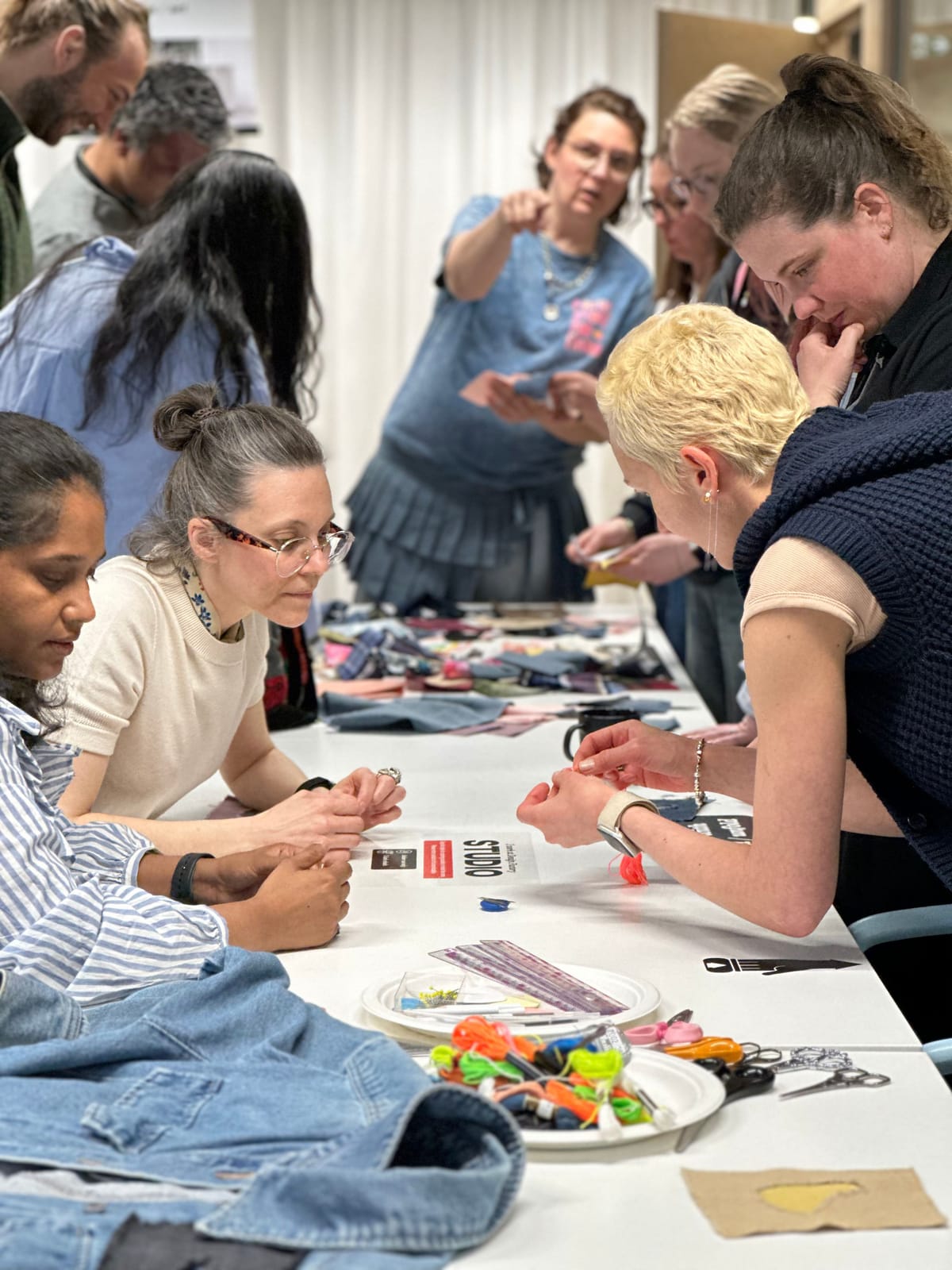
Community engagement can happen in many ways. It may include neighbourhood projects, repair events, community gardens, local energy initiatives, volunteering or environmental groups. It can also include citizen science, public consultations, workshops, citizen panels, participatory planning and cooperation between municipalities and residents. The goal is not to involve everyone in every decision, but to create suitable opportunities for people to contribute where their experience and knowledge can make a difference.
From participation to meaningful engagement
However, inviting people to take part does not automatically make participation meaningful. A consultation may collect many opinions, but people may still have little influence if the most important decisions have already been made. A public meeting may be open to everyone, but some people may still find it difficult to participate because of language, time, digital skills or lack of information.
Meaningful participation therefore requires more than simply counting the number of participants. It is also important to ask who is included, when they are invited to take part, whether their views can influence the process and whether they understand how their input will be used.
This is especially important because sustainability changes do not affect everyone in the same way. A transport policy, energy project or land-use decision may benefit some people while creating costs or concerns for others. Meaningful participation does not mean that everyone must agree. It means creating a fair space where different views can be heard, understood and considered.
Meaningful engagement also does not always require formal decision-making. It can grow through ongoing cooperation between communities, municipalities, businesses and other local actors, as long as people have genuine opportunities to contribute.
Finland already offers examples of this kind of cooperation. Networks such as Hinku, coordinated by the Finnish Environment Institute, bring municipalities, businesses, residents and experts together around climate action. Fisu – Finnish Sustainable Communities also supports municipalities working towards carbon neutrality, resource wisdom and more sustainable consumption while encouraging learning and the sharing of practical solutions.
These networks are not simply citizen-participation programmes, but they show an important idea: local sustainability rarely depends on one organisation alone. Progress is stronger when municipalities, businesses, experts, civil society and communities work together. Finnish research is also paying more attention to direct forms of participation, including citizen science, public dialogue and studies on why people join, resist or step away from sustainability transitions.
Community participation should not, however, be used to shift responsibility away from governments, municipalities or businesses. Public institutions still need to provide effective policies, infrastructure and services, while businesses remain responsible for reducing the environmental impacts of their activities. Participation is better understood as one part of a wider system of shared responsibility, where communities can contribute local experience and perspectives alongside the resources and responsibilities of other actors.
Perhaps the most useful shift is therefore from asking “How can we get communities involved in sustainability?” to asking “How can sustainability be developed with communities from the beginning?”
The difference is important. The first question may treat people mainly as recipients of sustainability plans. The second recognises them as active contributors to the process.
This opens a wider conversation about trust, inclusion, local knowledge, cooperation and meaningful participation, topics that we can continue to explore in the articles that follow.
A sustainable future is not defined only by the environmental targets we reach. It is also shaped by how we reach them, whose knowledge we value and who has a meaningful opportunity to take part.
Written by Chathura Wijesinghe
Photo by Bleona Silaj